AliExpress: What It Is and Why It Shows Up in South African Outdoor News
When you hear AliExpress, a global online marketplace owned by Alibaba that connects buyers directly to manufacturers, mostly in China. Also known as Alibaba’s consumer arm, it’s where millions of people outside China buy cheap gear, tools, and gadgets without middlemen. You might think it has nothing to do with hiking in the Drakensberg or wildlife conservation in Kruger. But here’s the thing: AliExpress is quietly shaping how South Africans equip themselves for the outdoors.
Think about it. A hiker in Cape Town needs a lightweight tent. A birdwatcher in Limpopo wants a reliable pair of binoculars. A weekend angler in KwaZulu-Natal needs a portable water filter. Where do they go? Not always to a local store. Too expensive. Too slow. Too limited. So they turn to AliExpress. It’s not just about price—it’s about access. You can find a $15 solar-powered lantern that lasts three nights, or a $20 GPS tracker that actually works, or a $50 waterproof backpack that doesn’t leak after a monsoon. These aren’t fantasy deals. They’re real purchases made by real people who can’t afford to pay R3,000 for a brand-name hiking boot.
That’s why you’ll see AliExpress mentioned in posts about outdoor gear, emergency kits, or even tech used by conservation teams. A ranger in the Eastern Cape might use a $30 thermal camera from AliExpress to track poachers at night. A volunteer group restoring a trail might order $500 worth of durable gloves and signage from the same site. Even the digital driving licence rollout in South Africa? Some local offices use cheap Android tablets bought online through AliExpress to run the system. It’s not glamorous. But it’s practical. And it’s everywhere.
It’s not perfect. Delivery can take weeks. Returns are a nightmare. Some products break after two uses. But for people who need gear now and have little cash, it’s often the only option. And that’s why this platform keeps showing up in stories about South Africa’s outdoor life—not because it’s a nature brand, but because it’s a lifeline.
Below, you’ll find real stories where AliExpress played a role: from a family who saved R8,000 on camping gear to a wildlife NGO that hacked together a drone repair kit from spare parts ordered online. These aren’t ads. They’re real-life fixes. And they’re changing how South Africans experience the outdoors—without waiting for a store to restock or a bank loan to clear.
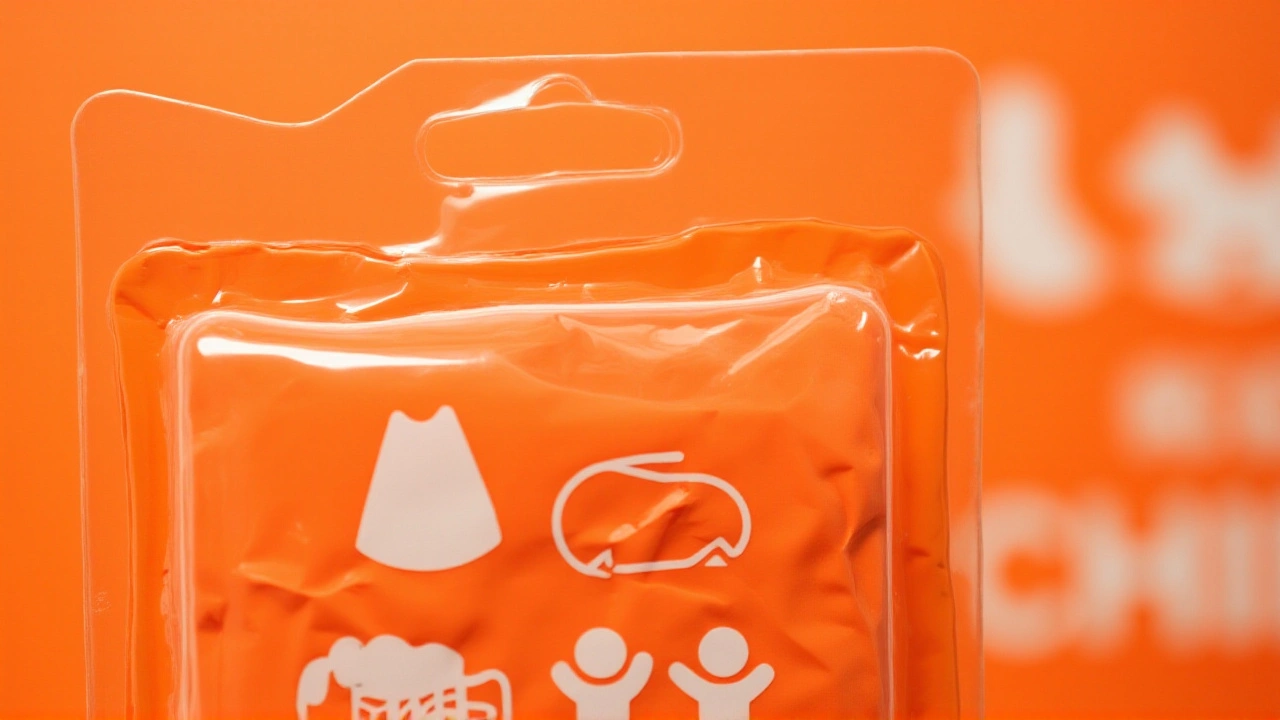
Seoul Finds Children's Products on Temu and AliExpress Contain Toxins Up to 622 Times Legal Limit
Seoul found children's products on Temu and AliExpress with toxins up to 622 times legal limits, sparking ongoing safety crackdowns. Phthalates, lead, and hormone disruptors threaten kids' health—yet platforms face no legal obligation to comply.
Read More